Teachers notice that classroom culture changes from country to country. A classroom in Seoul may follow different routines and expectations than one in Madrid. Both feel normal to the people sitting inside them.
Those differences often catch teachers off guard when they first move abroad. Unfortunately, teacher training rarely covers the unwritten rules of classroom behaviour, staffroom etiquette, or communication with parents in another country.
At Tales From A Bar Stool, we hear similar experiences from teachers working in schools around the world. This guide walks through what changes between countries, what stays the same, and which teaching habits you can carry into any classroom. Read it before your first term abroad starts.
Why Does Classroom Culture Feel So Different Abroad?

Classroom culture feels different abroad because each country has its own expectations around routines, respect, and participation. What one school calls polite silence, another reads as a class that has switched off. Neither reading is necessarily wrong.
Three areas explain most of the differences you’ll notice during your first fortnight.
How Students Show Respect Around the World
Students show respect in ways they’ve learned long before reaching your classroom, and those expectations vary between cultures. For instance, in Japan, students bow and thank the teacher together. But in Finland, pupils stay seated and call you by your first name.
These differences often trip teachers up. A quiet class looks nervous to one teacher, while a talkative class seems rude to another. The mistake is judging either class by the standards you’re used to.
So watch how students interact with their teachers and classmates before judging their behaviour (the clearest clues you’ll find in any room). You’ll understand local expectations by observing how teachers respond to those interactions.
What Does Classroom Management Look Like Abroad?
Classroom management abroad depends on local expectations around noise, movement and consequences. Some schools post rewards and sanctions on the wall, but others rely on a silent warning or intervention from the head of year.
In this case, you can ask a colleague what happens when a student breaks a rule and who steps in if the behaviour continues. We’ve watched new arrivals apply British behaviour routines in Bangkok, only to find that students didn’t understand the warnings or consequences (the approach needed explaining, not necessarily replacing).
Thankfully, writers such as Tom Bennett and Bill Rogers describe behaviour management principles that apply across different settings. The EEF guidance on behaviour also recommends consistent expectations and a shared approach among staff.
Where the Wider School Community Fits In
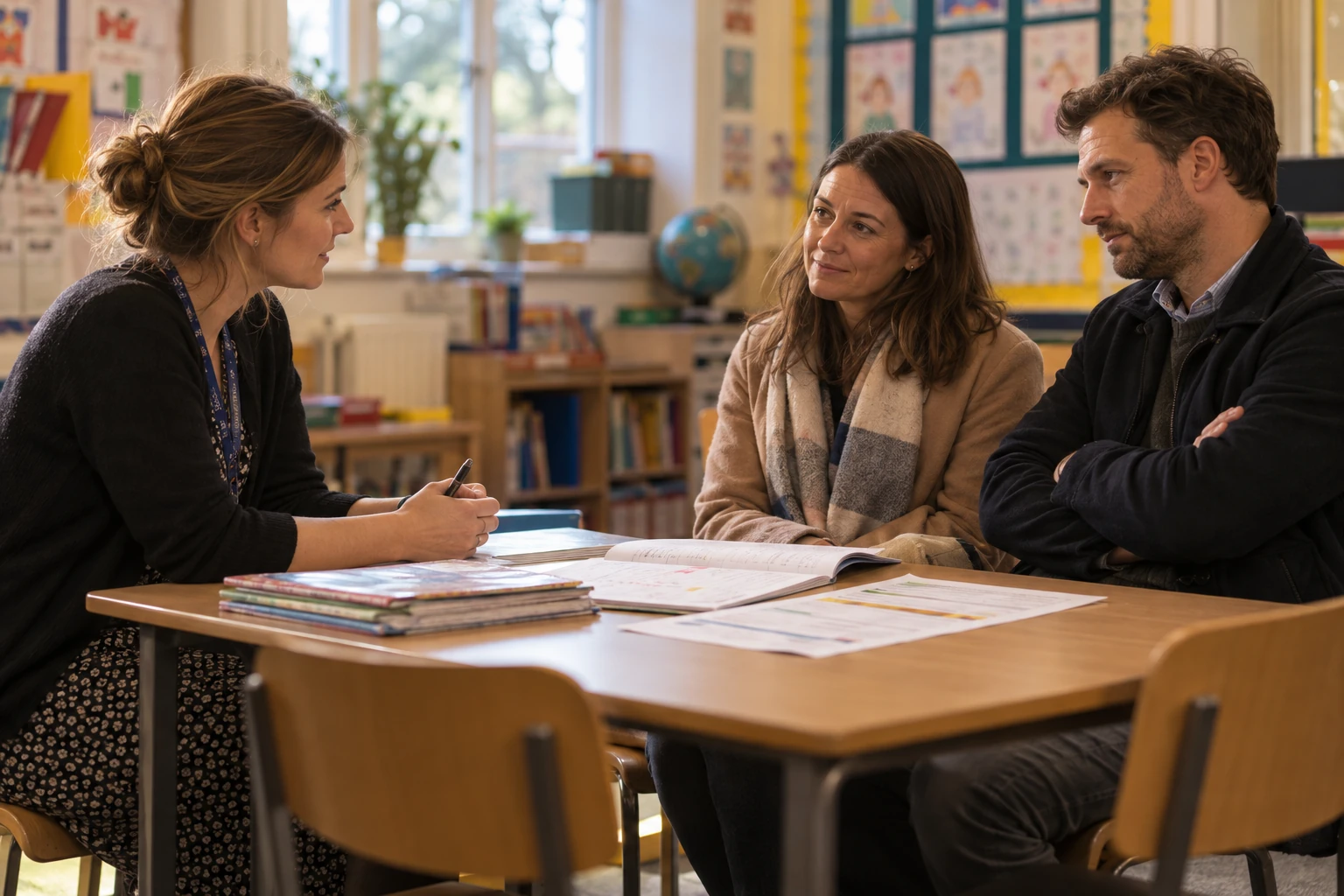
Parents, support staff and school leaders help establish expectations for behaviour and learning, often influencing classroom routines before you arrive. For example, a head teacher who regularly welcomes parent conversations encourages closer communication between families and teachers.
Beyond the school gate, community expectations decide what counts as success in student learning, whether that means exam marks, group harmony, or a place at university. Say, Italian families expect a long chat at pick-up. Meanwhile, plenty of Singapore parents prefer a written note and a clear grade.
Because of this, your first months at a new school teach you how local families communicate, what they expect from teachers, and how the school responds to those expectations. And if you ask us, a local Facebook group answers questions faster than any induction pack does.
Build Relationships Early When Teaching Abroad

For many teachers abroad, the hardest part of their first term has little to do with lesson plans. Students often struggle to settle around a new teacher whose reactions they haven’t learned to read. That uncertainty shows up as silence, hesitation, or low-level disruption.
To help students feel more comfortable around you, start with small, repeated actions rather than grand gestures. You can try:
- Learning names correctly
- Handing back marked work on the day you promised
- Noticing when a chatty student goes quiet
These all count for more than a polished display board. Give students a little space to ask about your accent or hometown, too. Those conversations help them get comfortable with you and feel ready to learn.
As students learn what to expect from you, they also grow more comfortable making mistakes in front of you. They’ll start feeling safe enough to answer in a second language, admit confusion, and ask the question everyone else is hiding (the exact moment a shaky learning environment finally clicks).
We’ve seen this in our own classrooms. The term we stopped rushing through lessons and started listening to students was when classroom behaviour improved. So build those relationships first, and the classroom culture you pictured on day one will start to take hold.
Positive Classroom Culture: Strategies That Travel Well

The best part about these strategies is that they help create a positive classroom culture in any country. They cost nothing beyond the classroom resources you already have. Plus, they survive a change of curriculum, timetable, or teaching language. It’s important that students feel the same standards in March as they did in September.
With that foundation in place, focus on these three daily habits:
Shared Rules and Expectations: Write the rules with the class in week one, so everyone understands what they’ve agreed to follow. Keep the list to five lines and revisit it after each holiday to remind students of those expectations.
Specific Positive Reinforcement: Praise the action instead of the person, so students know exactly what to repeat. For instance, praise a student for waiting their turn to speak rather than simply saying “good job.” Doug Lemov calls this “precise praise” in his book, Teach Like A Champion.
High Expectations for Everyone: Steady standards tell students the work sits within reach, which protects them from soft marking dressed up as kindness. Give students extra support when they struggle, then offer harder questions as their confidence grows. This helps them develop problem-solving skills without lowering expectations.
Across the postings we’ve covered, the calmest corridors run on two of these applied daily, with the third following on its own. Together they improve learning and build an environment where students feel the rules belong to them.
What Global Education Teaches Us About Learning
Global education works towards similar goals, but classroom routines vary between countries. For context, an OECD survey found that teachers spend about 78% of class time on teaching and learning, leaving the rest for tasks such as maintaining order and administration.
The table below shows how four education systems organise classroom learning and which practices you could apply in your own lessons.
| System | What classroom learning looks like | What travels well |
|---|---|---|
| Japan | Pupils help clean classrooms and take part in daily classroom duties | Shared responsibility for the space |
| Finland | Regular breaks, less emphasis on standardised testing in earlier years | Rest built into the timetable |
| Singapore | Structured lessons, guided practice and regular assessment | Clear feedback and progress checks |
| UAE international schools | Multinational classrooms with varied curricula and digital learning tools | Flexible teaching for students with different backgrounds |
These examples show that no single system owns good practice. Each offers an approach worth considering, but what works depends on your students and school. As you gain teaching experience abroad, you’ll see which routines suit your classroom and which ones need adjusting.
Take the Next Step in International Teaching
Every classroom culture sets the tone before you teach a single lesson, and it shifts with each border you cross. Teachers who settle quickest watch first, learn from local practices, and keep their own standards intact.
With that approach in mind, pack your habits rather than your assumptions, and give yourself one full term to read the room properly. By then, you’ll have a better sense of which routines to keep and which to adjust.
And if you’d like to hear how other teachers handled those first few months abroad, follow Tales From A Bar Stool for first-hand accounts from staffrooms around the world.