
You’ve probably heard a teacher tell a travel story that stayed with you long after the conversation ended. Maybe it was about getting lost in a foreign city or accidentally ordering the wrong meal. Nothing huge happened, but the way they told it carried weight that typical holiday stories don’t.
Let’s face it, teachers don’t stop being teachers when they leave the classroom. The habit of observing, explaining, and finding meaning follows them everywhere. That lens changes how they move through new places, and it seeps into the way they tell their stories.
We’ll look at why those stories linger and why teachers living overseas end up with even deeper material. Along the way, you’ll see how travel reshapes the way educators connect, listen, and bring experiences back to their students.
Let’s get started.
Travel Doesn’t Turn Off the Teacher Brain
Teachers can’t stop teaching, even on vacation. Order coffee in Rome, and they’re mentally cataloguing how the waiter explained the menu for next term’s vocabulary lessons. Walk through a street market, and suddenly, vendor negotiations become a case study for teaching persuasion techniques.
It’s automatic. Even a local patiently explaining directions with hand gestures is going in the ‘strategies for struggling students’ folder. And when a kid confidently asks for gelato in broken Italian, that’s a mental note: show this video clip when teaching about risk-taking in language learning.
Every experience abroad gets filtered through years of classroom habits. Teachers notice what works (clear communication without shared language) and what doesn’t (talking louder doesn’t help). They can’t turn it off, even when they probably should just enjoy the cappuccino.
What Makes Teacher Travel Stories Hit Differently
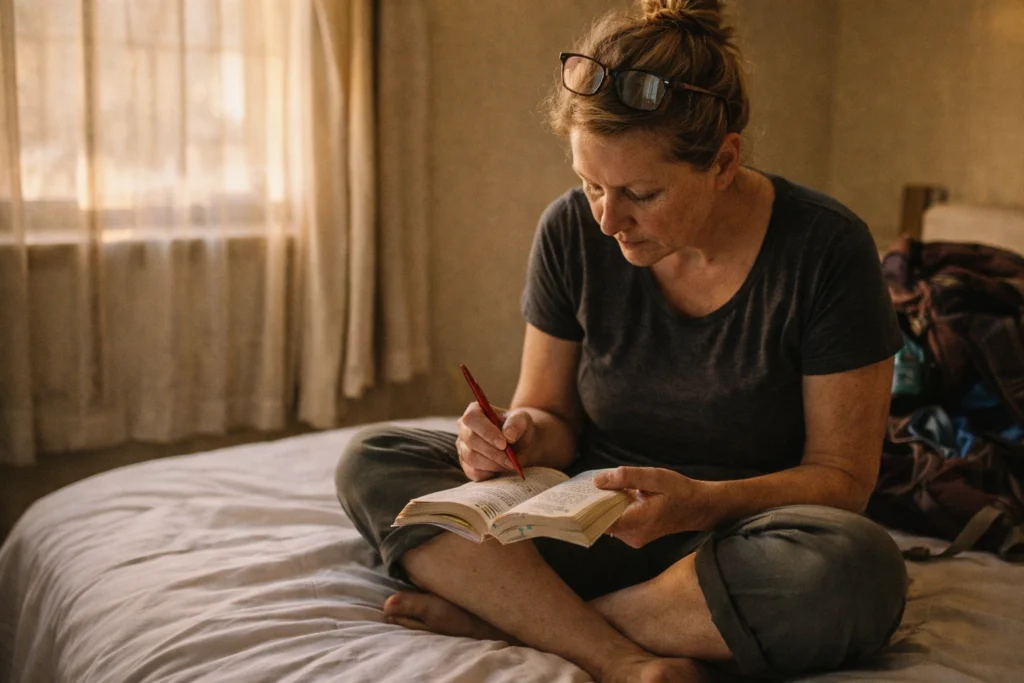
Teacher travel stories work in classrooms because they’re messy, honest, and full of mistakes. And it’s that authenticity that lands. Because students remember the fumbles more than the wins.
Let’s break it down.
They Share What Went Wrong
If you’ve shared travel stories in class, you probably talk about boarding the wrong bus in Barcelona or asking three strangers for directions before finding your hostel. The pretty sunset photos show up, but so does the panic of losing your wallet or ordering the wrong meal because you misread the menu.
The same honesty carries over from how you handle lessons that flop. When a science experiment goes sideways, you admit it. The same goes for travel plans that fall apart. Students notice that consistency, and it makes the messy bits of their own lives feel less embarrassing.
Real Struggles Become Classroom Lessons
The best teacher travel stories double as life lessons without trying too hard.
For instance, missing a bus in rural Spain can become a classroom example of patience when students stress over exam results. Similarly, struggling with foreign currency at a checkout easily turns into a practical maths lesson about exchange rates and quick mental calculation under pressure.
You don’t just describe what happened. You just connect it to feelings your students already know. Frustration when plans fail and relief when someone helps. Those emotional anchors make lessons stick.
Vulnerability Gives Students Permission
Admitting genuine fear about solo travel or language barriers tells your students it’s okay to say when they’re uncertain about big decisions. You show resilience by explaining how you pushed through discomfort, instead of by pretending the trip was effortlessly perfect.
That kind of honesty builds the authentic connections that improve student outcomes. Research from the Trauma Learning Policy Initiative shows that authentic teacher-student relationships improve engagement and academic performance. But that authenticity doesn’t come from being perfect; it comes from being honest.
When you share homesickness from your semester abroad, it resonates because your students feel that same isolation during their first week of high school. Your honest stories about feeling overwhelmed in crowded Tokyo streets give them a framework for naming their own anxiety.
Basically, it gives them permission to struggle and still succeed.
Getting Lost Abroad Builds Better Classrooms
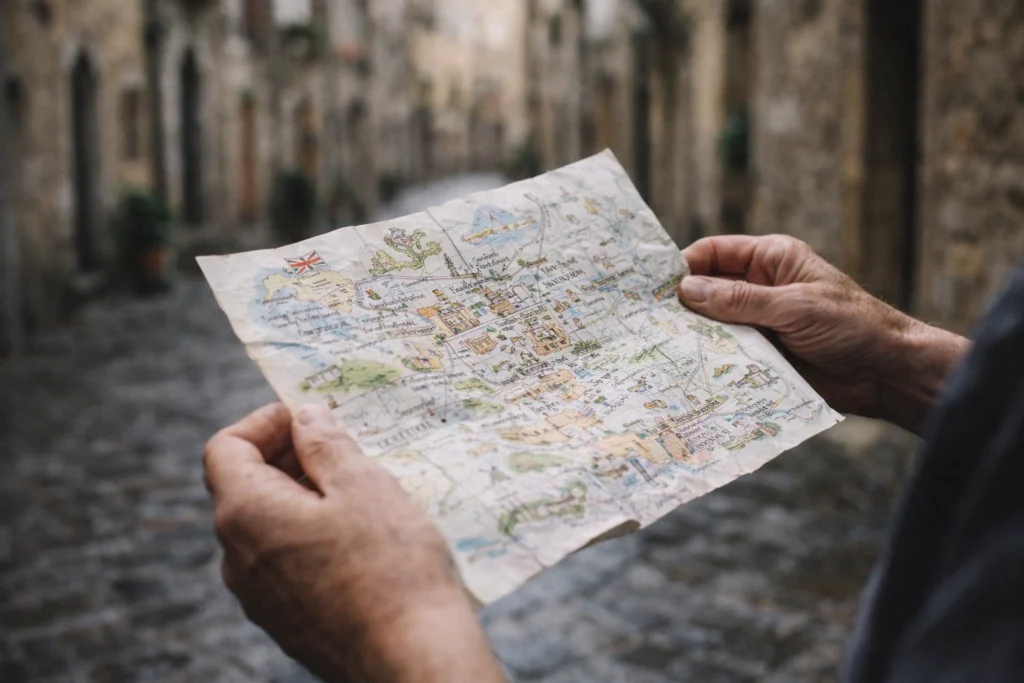
Getting stuck in a foreign train station where no one speaks your language can feel unsettling. But those moments build the flexibility you rely on when classroom plans suddenly fall apart.
Navigating public transport without language skills is one of those situations. It forces you to read body language, ask simpler questions, and solve problems quickly. Those same habits help when a student shuts down over fractions, the projector fails minutes before a lesson, or a fire drill disrupts your schedule.
Travelling also puts you back in the learner role. Like how misreading a gesture or unknowingly breaking a social norm abroad creates that sharp sting of embarrassment when you don’t know the unwritten rules. And remembering that feeling changes how you respond when a student freezes after a mistake. So instead of pushing ahead, you give them space to recover.
Experiences like these do more than produce travel stories. They shape how you teach because you’ve experienced firsthand what it feels like when things don’t make sense yet.
Why Overseas Teachers Have Even Stronger Stories
Living abroad for months or years gives teachers a kind of texture that short trips never reach. The days blur into routines, frustrations, friendships, and small victories. That’s what separates overseas teaching stories from ordinary holiday memories.
- Long-Term Culture Shock Cycles: Living abroad means you don’t just get the honeymoon phase. Frustration shows up, small things wear you down, and only after that does real adjustment begin. Eventually, acceptance sneaks in. Tourists fly home before that shift happens, but teachers stay long enough to feel the whole cycle.
- Constant System Translation: In international schools, you’re switching between education systems almost every day. One moment you’re explaining why the curriculum works differently, the next you’re reshaping a lesson for a new classroom culture. Over time, you start seeing how kids learn across borders, and that awareness follows you home into every discussion you lead.
- Daily Immersion Creates Natural Stories: Language barriers and cultural differences make daily life awkward at first. You accidentally order dessert for breakfast or bond with shopkeepers through terrible pronunciation. Later, those small fumbles become the classroom anecdotes that help students feel less alone when they’re struggling with something unfamiliar.
- Transformation Over Time: Living overseas for months means watching yourself change bit by bit. You notice how different you’ve become when visiting home or talking to old colleagues. Those gradual shifts create authentic narratives about growth that students actually believe, unlike polished holiday snapshots.
The depth of living abroad gives you stories with real weight when students need honest examples about adapting to change.
Real Examples: Teacher Travel Stories That Stuck

Some travel stories become classroom legends because they capture exactly what students need to hear. Here are two we’ve heard from teachers in our community that stuck with their students long after the lesson ended.
Lost in Translation, Found in Connection
Sarah was teaching in rural Thailand when she got completely lost trying to find her guesthouse. She ended up in a small shop, gesturing wildly at a map while a local grandmother laughed at her terrible attempts to mime “left turn.” They never shared a single word, but the woman walked her three blocks to the right street anyway.
The experience taught her something she brings up constantly now: classroom connection doesn’t require perfect words. It needs genuine effort and willingness to look a bit silly. She tells anxious students that story when they worry about participating in discussions or making mistakes out loud. It’s one of those unforgettable teaching moments that works because it’s messy and real.
When Plans Fall Apart, Teaching Skills Kick In
Emma’s carefully planned Italian itinerary dissolved when trains went on strike. She stood in Florence station with no backup plan, a patchy phone signal, and a hostel booking she couldn’t reach. The same skills that work in classrooms kicked in: stay calm, break the problem into steps, ask strangers for help. She found a bus route, rebooked accommodation, and made it work.
Her students remember that story when they’re stressed before exams. It shows them that problem-solving skills carry over into completely different high-pressure situations.
The chaos didn’t ruin the trip. It just showed she could handle uncertainty, which is exactly what they needed to see.
Where Will Your Next Story Come From?
Every teacher has travel experiences worth sharing, whether it’s a gap year adventure or just a chaotic school trip to France. The stories already sitting in your head could help another teacher weighing up overseas work or a student facing their own uncertainty.
This community runs on these shared experiences, the messy and honest bits about teaching and living abroad that connect us. Your story, with all its fumbles and unexpected wins, belongs here.
If you’ve got a travel story that changed how you teach, we’d love to hear it. The next teacher reading might be exactly the person who needs to hear what you learned.