
A teacher in Manchester once told me she cried in a Tesco because she couldn’t find her favourite biscuits from home. Teaching overseas means confronting homesickness, identity questions, and loneliness you didn’t expect. You’re not alone in this battle. We understand what it feels like to question everything.
When you teach abroad for the first time, you’re entering unknown territory. If you want to understand what this journey reveals, we’re here to guide you. We’ll discuss strengths you discover, how your teaching style evolves, and what former students teach you about impact.
What if you’re frustrated with feeling lost in a new school? The growth happening beneath the surface will be described here. These teacher stories from teachers working in the UK aren’t just about ticking boxes. Let’s explore what the world of overseas teaching actually reveals about you.
You Discover Strengths You Didn’t Know Existed
Teaching overseas reveals capabilities you never knew you had because comfortable environments hide your true potential. From our years teaching in schools abroad, we’ve watched teachers surprise themselves constantly. You learn what you’re actually made of when familiar support systems disappear.
Now, we’ll break down where these strengths show up most.
Handling Classrooms Without Your Usual Resources

Limited supplies teach you creativity fast. You’ll use kitchen items for science experiments (and yes, we’ve used pasta for maths lessons before). When technology fails or textbooks never arrive at your school, you improvise lesson plans on the spot. Running low on materials forces you to become ridiculously resourceful with whatever’s in the classroom.
Making Decisions When There’s No Safety Net
No principal nearby means you trust your instincts more than school policies. Split-second classroom choices reveal how capable you are under pressure. A student struggling with behaviour? You handle it. Independence replaces the comfort of asking colleagues for validation every time something happens.
Building Confidence Through Small Wins
A student finally understanding fractions feels monumental when you’re teaching alone abroad. Each successful parent meeting proves you’re more adaptable than expected. Confidence grows here and there through tiny victories nobody else witnesses. By your first year’s end, you’ve built teaching skills you didn’t know existed.
Your Teaching Style Becomes Clearer
Ever wonder why you teach the way you do, or if your methods are actually yours or just borrowed from mentors? Distance from home removes external pressures about how you “should” teach students.
Let’s be honest here, when you’re in a UK school, and nobody’s watching or judging your unconventional lesson approaches, you experiment freely. What works back home gets stripped away, revealing what you’re really about as a teacher.
You start noticing patterns in how you run your classroom. The way you manage class discussions, handle paperwork, or connect with struggling kids becomes clearer. That’s when you realise your teaching style isn’t something you invented last year. It’s been there all along, just buried under other people’s expectations and school department rules.
Loneliness vs. Independence: What’s the Difference?
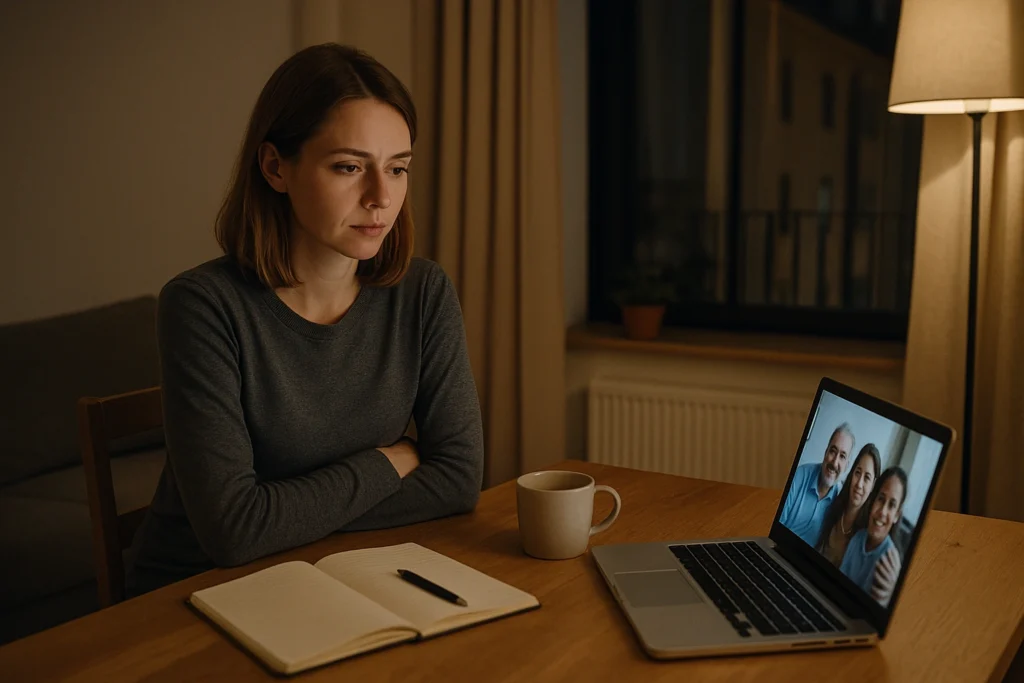
Are you lonely, or are you independent? The line feels blurry when you’re sitting alone in a flat 3,000 miles from home. So what’s the real deal here? Teachers working overseas face both, but knowing which one you’re dealing with is more important than you’d think.
Here’s what we’ve noticed about how they show up differently.
- Heavy vs. empowering feelings: Loneliness feels heavy and isolating, whilst independence feels empowering and deliberate. One drains you after a long day at school, the other builds you up in ways you didn’t expect.
- Missing vs. needing people: You learn to distinguish missing people from actually needing them around constantly. Missing your mum is normal. Feeling like you can’t function without her signals something that needs more support from your new community.
- Choosing vs. being chosen: Independence grows when you choose solitude. Loneliness happens when isolation chooses you. Spending Sunday exploring alone isn’t the same as dreading another weekend with no person to talk to.
- Finding your people: Understanding this helps you connect with communities in your country. Not everyone’s cup of tea when it comes to alone time, and that’s perfectly fine.
The trick is being honest with yourself about which one you’re feeling. We’ve all been there, sitting in our room, wondering if we made the right choice to teach abroad.
When Homesickness Hits Hardest
You might be wondering why homesickness sneaks up at the strangest times. A teacher friend told me he’d been fine for months until he heard someone ordering a proper bacon butty in a café. That’s when it hit him hard.
The thing is, bank holidays and half-terms make it worse when other teachers travel home and you’re still in the UK. You’ll be scrolling through your mum’s post about Sunday roast whilst eating meal deal sandwiches alone in your flat. It’s rough, not going to lie.
What’s more, missing cultural references in the staffroom banter reminds you how far you’ve come. Sometimes it’s the small things at school that get you, not the big moments you prepared for. Those are the days that test you most.
Cultural Awareness Starts With You, Not Them

The best part about teaching in a different culture is realising how much you learn about your own assumptions and biases. It’s uncomfortable at first, but honestly? It’s one of the most valuable things about working in schools overseas. Here’s where the real learning happens for teachers.
- Your methods reflect your background: You realise your teaching methods reflect British culture, not universal educational truths. The way you run your classroom or manage students isn’t the only way to do things.
- Students will question you: Observing your own biases becomes uncomfortable when students question your classroom norms (trust us, we’ve all had that uncomfortable mirror moment). A child might ask why you do things a certain way, and you’ll realise you don’t have a good answer.
- Examining, not judging: Cultural awareness begins by examining why you do things, not judging others differently. Sometimes you need to bite the bullet and admit your approach might not work for every student in your class. That’s where real respect for learning starts.
- It changes your teaching: Self-reflection about privilege and assumptions shifts how you approach every lesson. You’ll catch yourself mid-thought and wonder why you made certain decisions about teaching subjects or managing your room.
The reason this is important? Good teachers grow when they’re willing to look inward, not just outward at their students.
What Former Students Teach You About Impact
You think you know what’s important in teaching until a former student emails you three years later. And that’s where things get interesting, because what they remember rarely matches what you thought mattered most.
Katie, a teacher who taught Year 6 in London, told me a student reached out after middle school. He’d struggled with reading, and she thought he’d remember the extra tutoring sessions she provided.
But here’s what he actually wrote about. He remembered how she’d listen when he talked about his car collection during recess. He said she made him feel respected when other teachers treated him like he was trouble. The lessons about reading? He barely mentioned them.
That’s the reality for most teachers working overseas. Former students email years later, revealing which moments actually stuck with them. You discover your biggest impact wasn’t academic at all. It was showing up with genuine care when kids needed someone in their corner.
Students remember how you made them feel in your classroom, not the curriculum content you taught or the subjects you covered.
The First Time You Actually Feel Settled
Settling happens gradually, then suddenly, like recognising your local coffee shop owner’s face. The first time someone asks you for directions, and you actually know the answer? Everything shifts in that moment. You realise you’re not just visiting this country anymore.
Feeling settled doesn’t mean homesickness disappears completely. It just means two homes can coexist in your life now. The school feels familiar. Your students know your personality. The beginning nervousness fades, replaced by something that feels almost like belonging.
Teaching Jobs Abroad: More Than Just a Career Move

Teaching jobs abroad transform how you see yourself as an educator, not just where you work geographically. Working overseas reveals whether teaching energises or drains you without familiar support systems (because let’s face it, no one prepares you for this bit). You gain clarity about what you genuinely love about the job when comfort disappears. Here’s what changes for most teachers who teach abroad.
| Before Overseas Teaching | After Overseas Teaching |
| Teaching felt like following a script from your training | You create your own approach based on what actually works |
| Career decisions are influenced by what others expect | You choose teaching jobs based on what fulfils you personally |
| Support came from colleagues and department heads nearby | You’ve learned to support yourself and trust your instincts |
| Accommodation and life felt separate from your job | You understand how your living situation affects your work |
| The world of education seemed limited to one country | Opportunities in different schools and countries feel possible |
The truth about teaching careers overseas? They show you whether you’re in this profession because you love it or because it was convenient. That realisation alone makes the whole experience worth it for most teachers working in UK schools and beyond.
What We’ve Learned From Your Journey
Now that we’ve covered what teachers discover about themselves, let’s talk about what this means for you. Self-discovery happens through messy moments, not neat revelations you can predict. The classroom memories you create overseas become reference points for who you’ve become. Every frustration, every triumph, every lonely evening shapes you into a more resilient teacher.
The thing is, teaching overseas isn’t just about career development or adding experience to your CV. It’s about learning what you’re actually made of when familiar comforts disappear completely. You discover strengths, clarify values, and understand yourself as a teacher more deeply than before. The world of education looks different once you’ve taught in schools outside your home country.
So, ready to start your own journey? Connect with our community of teachers who’ve been exactly where you are now. We’ve all sat in that same room, wondering if we made the right choice to teach abroad.
- Share your teacher stories and learn from others who’ve faced the same challenges
- Ask questions about teaching jobs in the UK or finding the right opportunities
- Know you’re not facing this alone. Having support from other teachers who get it helps more than you’d think